Pet Nutrition and Wellness
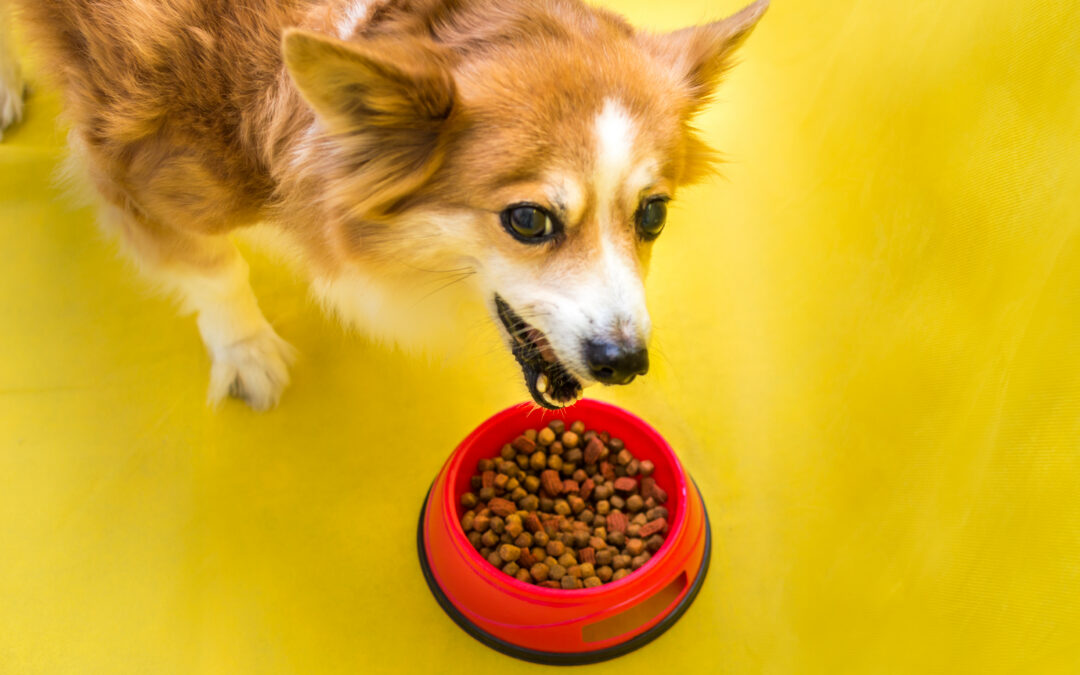
When we think about pet nutrition and wellness, it's easy to focus on what's in the food bowl. But keeping our pets healthy involves much more than simply choosing the right food.
Regular veterinary visits. Daily exercise. Plenty of playtime. And, of course, lots of love.
But there's another important piece of the puzzle that sometimes doesn't receive the attention it deserves: utrition.
October is National Pet Wellness Month, making it the perfect time to talk about how the food we put in our pets' bowls can influence their overall health and quality of life.
At Planet Paws Pet Care, I believe caring for pets means looking at the whole picture. Their physical health, emotional well-being, daily activities, and nutritional needs all play important roles in helping them thrive.
And sometimes, improving a pet's wellness starts with taking a closer look at what's in their food bowl.
Nutrition Is More Than Just Filling a Food Bowl
Most pet parents want to provide their dogs and cats with the best possible nutrition.
But with so many pet foods available, choosing the right one can feel overwhelming.
Grain-free. Limited ingredient. High protein. Fresh food. Raw food. The list goes on.
And every manufacturer seems to have a compelling reason why its food is the best choice.
So how do you know what's right for your pet?
The answer starts with understanding that every pet is an individual.
A young, highly active dog may have different nutritional requirements than a senior dog who spends most of the afternoon sleeping on the couch.
A cat with a sensitive digestive system may need a different approach than one without digestive concerns.
Age, activity level, health conditions, and individual sensitivities can all influence nutritional needs.
The goal isn't necessarily to find the most expensive food or follow the latest trend.
It's to provide complete, balanced nutrition that supports your pet's individual needs.
The Connection Between Nutrition and Digestive Health
Let's talk about something every pet parent has experienced at some point: digestive issues.
Gas. Loose stools. Occasional stomach upset.
Not exactly the glamorous side of pet ownership!
But digestive health is an important part of overall wellness.
The digestive system breaks down food, absorbs nutrients, and helps support normal immune function.
When digestion isn't functioning properly, pets may experience discomfort, changes in appetite, or changes in their bathroom habits.
A nutritionally balanced diet that's appropriate for your pet can help support healthy digestion.
Some pets may also benefit from veterinarian-recommended dietary adjustments or supplements, depending on their individual circumstances.
However, persistent digestive problems shouldn't simply be dismissed as a sensitive stomach. They deserve a conversation with your veterinarian.
Healthy Skin and Coat Start With Good Nutrition
Have you ever noticed how some dogs have beautiful, shiny coats while others struggle with dry skin or excessive shedding?
Nutrition can play a role.
Essential fatty acids, adequate protein, vitamins, and minerals all contribute to maintaining healthy skin and coat condition.
Omega-3 fatty acids, for example, can help support normal skin function and may be beneficial for some pets with inflammatory skin conditions.
But it's important to remember that not every skin problem is caused by nutrition.
Environmental allergies, parasites, infections, and other medical conditions can also affect a pet's skin and coat.
That's why nutrition should be considered part of a broader wellness approach rather than a replacement for veterinary care.
Supporting Our Pets as They Age
One of the realities of loving our pets is watching them get older.
The puppy who once raced around the backyard eventually becomes the senior dog who prefers a comfortable bed and a slower pace.
And that energetic kitten? One day, they may decide that supervising the household from a sunny windowsill is a perfectly acceptable full-time job.
As pets age, their nutritional needs may change.
Maintaining a healthy body weight, supporting muscle mass, and providing appropriate nutrients become increasingly important.
Some older pets may also benefit from nutritional strategies designed to support joint health, cognitive function, or other age-related needs.
However, there isn't one perfect senior diet for every pet.
A healthy older dog may have very different nutritional requirements from a senior dog managing kidney disease or another medical condition.
Working with your veterinarian can help ensure that dietary changes support your pet's specific needs.
And remember, getting older doesn't mean our pets have to stop enjoying life.
Sometimes, a little extra attention to their nutrition, exercise, and daily comfort can make a meaningful difference.
What Poe and Finn Have Taught Me About Pet Nutrition
If you've followed Planet Paws Pet Care for a while, you've probably met my two dogs, Poe and Finn.
They're not just our family pets. They're also a big part of why I've become so interested in pet nutrition.
Poe has dealt with allergy-related issues since he was young. Over the years, we've worked to find ways to help him stay comfortable.
As part of his wellness routine, we've incorporated nutritional supplements, including omega-3 fatty acids and allergy-support products.
We've been pleased with the improvements we've observed in his skin and overall comfort.
Finn, meanwhile, has had his own nutritional adventures.
Let's just say that digestive gas and dental tartar have occasionally been topics of conversation in our household!
We've incorporated nutritional and dental-support products into his routine as well.
More recently, we started both dogs on a healthy-aging supplement regimen.
After approximately three months, I've noticed some encouraging changes.
Poe seems more active, spends more time exploring the backyard, and has shown renewed enthusiasm for running around outside.
Finn, who previously preferred supervising playtime from the sidelines, has become more involved in playing with other dogs.
Now, I can't tell you that supplements alone are responsible for those changes.
There are many factors that influence a dog's energy and behavior, and our personal observations aren't scientific proof of a product's effectiveness.
But seeing these changes has reinforced my interest in learning more about nutrition and how it may contribute to our pets' overall well-being.
And if you know Poe and Finn, you know that neither one needed much encouragement to cause a little more chaos around the house!
Where Supplements Fit Into the Picture
One question I frequently hear is whether pets really need nutritional supplements.
The answer?
It depends.
For most healthy pets eating a complete and balanced diet appropriate for their life stage, additional supplements aren't automatically necessary.
However, certain pets may benefit from specific supplements based on their individual needs and veterinary recommendations.
For example, some supplements are formulated to support digestive health, skin and coat condition, or joint function.
The important thing is understanding what a supplement is intended to do, whether there's reliable evidence supporting its use, and whether it's appropriate for your pet.
I've personally incorporated products from pawTree into Poe and Finn's wellness routines and have been happy with our experience.
But I don't believe every pet needs every supplement.
And I certainly don't believe supplements should replace appropriate veterinary care or a nutritionally balanced diet.
My approach is simple: understand the pet's needs first, then explore nutritional options that may be appropriate.
Five Simple Ways to Be More Proactive About Your Pet's Nutrition
You don't need to completely overhaul your pet's diet to start paying closer attention to their nutritional wellness.
Sometimes, small steps can make a difference.
1. Take a closer look at your pet's food.
Check whether it's labeled as complete and balanced for your pet's species and life stage. Don't judge a food solely by its marketing claims or ingredient list.
2. Pay attention to changes.
Monitor your pet's appetite, stool quality, energy levels, skin, and coat. Changes can provide useful information about their overall well-being.
3. Maintain a healthy weight.
Excess weight can place additional stress on joints and contribute to other health problems. Ask your veterinarian about your pet's ideal body condition.
4. Don't assume every supplement is necessary.
More isn't always better. Some supplements can interact with medications or provide excessive amounts of certain nutrients.
5. Make nutrition part of your veterinary conversations.
Your veterinarian can help you evaluate your pet's current diet and determine whether adjustments or additional nutritional support may be beneficial.
A Healthier Pet Starts With a Bigger Picture
Pet wellness isn't about finding one magical food, supplement, or routine that solves everything.
It's about recognizing that our pets' physical health, emotional well-being, activity levels, and nutrition are all connected.
A nutritious diet can't replace exercise, enrichment, preventive veterinary care, or the love and attention our pets need.
But it can be an important part of helping them live healthy, comfortable, and fulfilling lives.
At Planet Paws Pet Care, my passion goes beyond providing professional pet sitting, dog walking, and boarding services.
I also enjoy helping pet parents become more informed about their pets' nutritional needs and exploring ways to support their overall wellness.
Because whether we're talking about Poe, Finn, or the pets entrusted to my care, the goal is always the same:
Helping our pets live their happiest, healthiest lives for as long as possible.
Have Questions About Your Pet's Nutrition?
If you're curious about nutritional wellness or interested in learning more about the products I've incorporated into Poe and Finn's routines, I'd be happy to share my experiences and help you explore available options.
Every pet is different, and nutritional decisions should always be based on their individual needs.
At Planet Paws Pet Care, we believe great pet care goes beyond the basics. Because our pets deserve more than just getting by. They deserve to thrive.